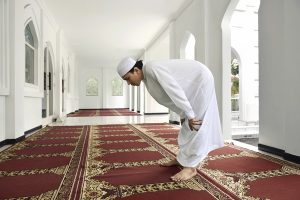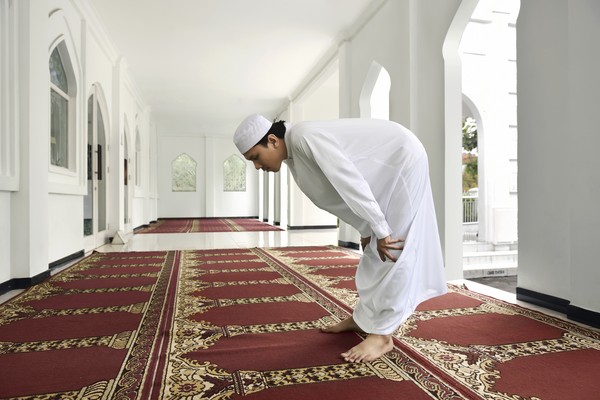
Worship is one form of a Muslim’s devotion to Allah SWT. Every act of worship performed—whether obligatory or recommended—aims to bring one closer to the Creator and to strengthen one’s faith and piety. However, without realizing it, many mistakes are often made during worship, thereby diminishing its perfection and even its reward.
These mistakes do not always stem from bad intentions, but are often caused by a lack of knowledge, incorrect habits, or rushing through acts of worship. Therefore, every Muslim needs to continue learning so that their acts of worship become better and more in line with the guidance of the Qur’an and the Sunnah of the Prophet Muhammad (peace be upon him).
Here are some common mistakes made during worship that should be avoided.
1. Performing Acts of Worship Without Understanding the Knowledge Behind Them
One of the biggest mistakes is performing acts of worship without understanding the proper procedures. In fact, the Prophet Muhammad (peace be upon him) taught us how each act of worship should be performed correctly.
For example, someone might pray regularly but not yet know the pillars, the conditions for validity, or the things that invalidate it. The same applies to fasting, zakat, and other acts of worship.
Therefore, before increasing one’s good deeds, it is important to deepen one’s religious knowledge through study, reading reliable books, or learning from a competent teacher.
2. Lack of Devotion During Worship
In today’s digital age, distractions during worship are increasingly common. The mind often wanders to work, social media, business, or other worldly matters.
In fact, devotion is one of the key elements that makes worship more meaningful. When the heart is fully present during worship, a person will more easily feel a sense of closeness to Allah (SWT).
Ways to increase devotion include:
- Understanding the recitations being recited.
- Avoiding rushing.
- Choosing a quiet place.
- Putting distractions, such as cell phones, out of reach.
3. Rushing Through Worship
Many people want to finish quickly when praying, reciting the Qur’an, or engaging in dhikr. As a result, their movements become too fast and their recitation is no longer perfect.
The Prophet Muhammad (peace be upon him) taught that every movement should be performed with tuma’ninah, or calmness. Calmness in worship demonstrates respect for Allah (SWT).
4. Worshiping to Be Praised
Another common mistake made during worship is riya—performing acts of worship to gain praise from others.
For example:
- Showing off charity to be seen as generous.
- Prolonging acts of worship when others are watching.
- Posting all one’s good deeds solely to seek recognition.
In fact, sincerity is a prerequisite for one’s deeds to be accepted. Every Muslim should constantly renew their intention that all acts of worship are performed solely for the sake of Allah SWT.
5. Neglecting Cleanliness and Puritycian
Islam places great emphasis on cleanliness, especially before performing acts of worship.
There are still some people who are not thorough enough in:
- Performing wudu.
- Keeping their clothes clean.
- Ensuring the prayer area is clean.
- Properly removing impurities.
- In fact, purity is a prerequisite for the validity of certain acts of worship, including prayer.
6. Inconsistency in Worship
Enthusiasm for worship often increases during the month of Ramadan or when attending certain religious lectures. However, afterward, the frequency of worship tends to decrease again.
In fact, the deeds most beloved by Allah are those performed consistently, even if they are small.
Consistency is far more important than a fleeting enthusiasm that eventually fades away.
7. Disregarding the Rights of Fellow Human Beings
There are people who diligently pray, fast, and even give charity regularly, yet still enjoy hurting others through their words or actions.
In fact, relationships with fellow human beings are also an important part of Islamic teachings. Good worship should also lead to good character.
8. Failing to Make the Most of the Best Times for Worship
Allah SWT has designated times of special merit, such as:
- The last third of the night.
- Friday.
- After obligatory prayers.
- At the breaking of the fast.
- The first ten days of Dhu al-Hijjah.
- The month of Ramadan.
Unfortunately, many people actually miss out on these golden opportunities.
9. Feeling That One’s Good Deeds Are Sufficient
Another common mistake is feeling that one has already performed enough acts of worship, leading to a sense of pride in one’s own deeds.
This attitude can diminish sincerity and cause a person to stop striving for self-improvement. In fact, scholars always exemplify humility even after performing many good deeds.
10. Failing to Engage in Self-Reflection
After praying, few people take the time to evaluate whether their worship was done correctly or if it still needs improvement.
Muhasabah helps a person to:
- Correct shortcomings.
- Improve the quality of worship.
- Maintain sincerity.
- Continuously increase piety.
Through regular evaluation, the quality of worship will continue to improve over time.
How to Improve the Quality of Worship
To avoid common mistakes made during worship, here are some steps you can take:
- Study religious knowledge from reliable sources.
- Refine your intentions before beginning worship.
- Make it a habit to recite prayers and dhikr while understanding their meanings.
- Gradually cultivate a state of devotion.
- Maintain physical and spiritual cleanliness.
- Engage in daily self-reflection.
- Ask Allah for steadfastness in worship.
Mistakes often made during worship frequently occur unconsciously. These range from a lack of religious knowledge, a lack of devotion, rushing through prayers, to failing to maintain sincerity. Although they may seem simple, these habits can affect the quality of our worship.
Therefore, every Muslim should continue to learn, refine their intentions, and evaluate themselves so that their worship aligns more closely with the guidance of the Prophet Muhammad (peace be upon him). With knowledge, sincerity, and steadfastness, may every deed we perform be accepted by Allah (SWT) and serve as the best provision in the Hereafter.
Don’t miss out on a variety of interesting information about travel, lifestyle, and the latest events on SafarFriendly! Visit our website at safarfriendly.com to get comprehensive guides, helpful tips, and a variety of informative articles to accompany your travels and activities.