


Assalamualaikum, Safarfriendly Friends. Zakat is not just an annual obligation or a routine during Ramadan. It is an important pillar in Islam that purifies wealth and cleanses the soul. In this comprehensive guide to zakat, we will discuss the types of zakat, how to calculate it, and the arguments that form the basis of its sharia. Let’s understand it together so that our worship will be more steadfast and full of blessings.
Understanding Zakat and Its Legal Basis
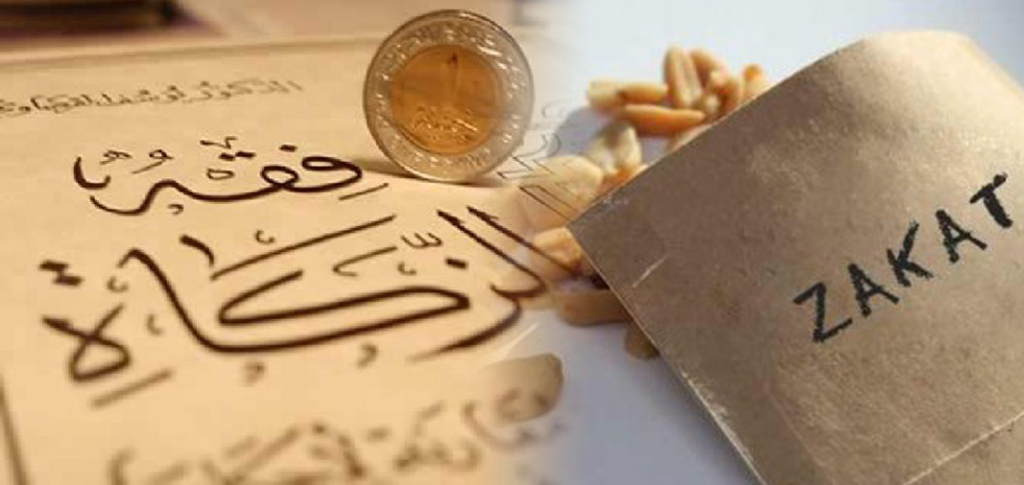
Literally, zakat means growth, purity, and blessing. In terms of terminology, zakat is a certain amount of wealth that must be given by a Muslim to those who are entitled to receive it (mustahik) in accordance with Islamic law.
The commandment of zakat is mentioned in the Qur’an, one of which is in Surah Al-Baqarah verse 43:
“And establish prayer, and give zakat…”
In addition, in the hadith narrated by Imam Bukhari and Imam Muslim, the Prophet Muhammad mentioned zakat as one of the five pillars of Islam.
Therefore, zakat is not an option, but an obligation for every Muslim who meets the requirements.
Types of Zakat You Should Know
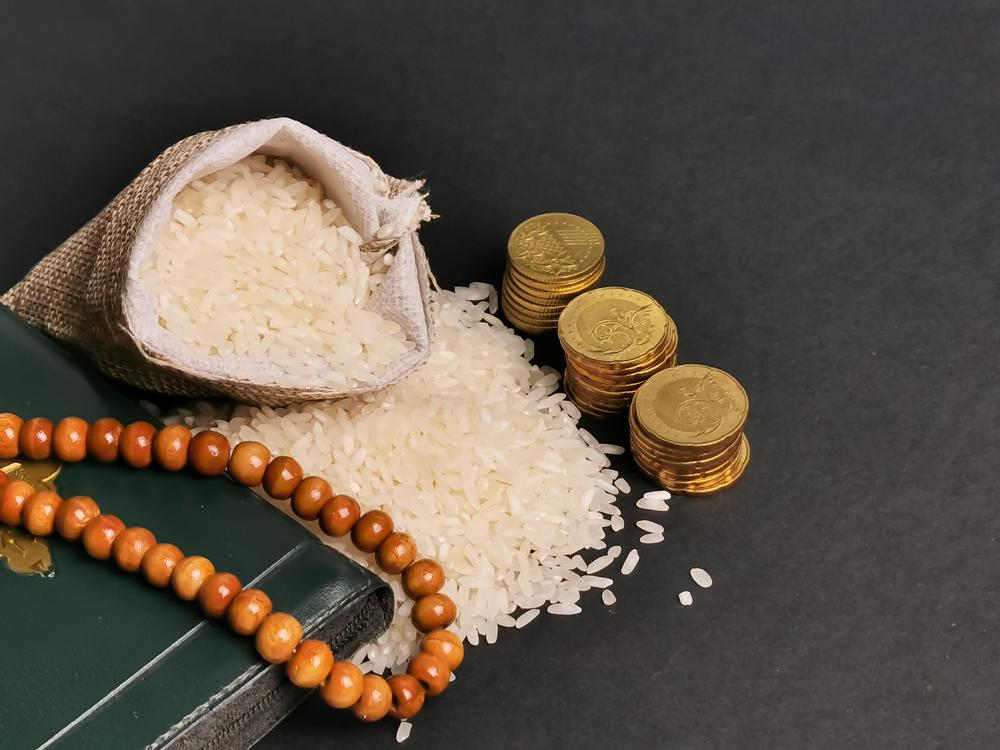
Dear Safarfriendly friends, in Islam there are two main types of zakat:
1. Zakat Fitrah
Zakat fitrah must be paid by every Muslim before Eid al-Fitr. The amount is equivalent to 1 sha’ (about 2.5-3 kg) of staple foods such as rice.
The purpose of zakat fitrah is to purify those who fast from idle talk and to help the poor celebrate the holiday properly.
2. Zakat Mal (Zakat on Wealth)
Zakat mal is zakat on wealth that has been owned for at least one Hijri year and has reached the minimum threshold (nisab).
Some types of zakat mal include:
- Zakat on gold and silver
- Zakat on savings and deposits
- Zakat on trade
- Zakat on agriculture
- Zakat on livestock
- Zakat on income (profession)
Each type has different calculations and conditions, so it is important for us to understand the details.
How to Calculate Zakat Correctly

In order for our worship to be valid and effective, here is a simple overview of how to calculate zakat:
1. Zakat Fitrah
When converted to money, the value follows the price of staple foods in each region. For example, if the price of rice is Rp15,000/kg and the zakat is 2.5 kg, then:
2.5 kg x Rp15,000 = Rp37,500
That is the nominal amount of zakat fitrah per person.
2. Zakat on Gold and Savings
The nisab for gold is 85 grams. If the price of gold is Rp1,000,000/gram, then the nisab is Rp85,000,000.
If your total savings have reached or exceeded the nisab and have been stored for 1 year, then the zakat is:
2.5% x total assets
Example:
Total savings Rp100,000,000
Zakat = 2.5% x Rp100,000,000 = Rp2,500,000
3. Income Zakat
Some scholars compare income zakat to gold zakat, which is 2.5% of net income if it reaches the nisab.
For example, if your net monthly income is IDR 10,000,000, then the zakat is:
2.5% x IDR 10,000,000 = IDR 250,000
Safarfriendly friends can pay it every month to make it easier and more consistent.
Who is entitled to receive zakat?

In Surah At-Taubah verse 60, Allah explains that there are eight categories (asnaf) of zakat recipients, including:
- The poor
- The needy
- Amil (those who collect zakat)
- Muallaf (new converts)
- Riqab (slaves)
- Gharimin (those in debt)
- Those fighting in the way of Allah
- Travelers
Distributing zakat to the right groups will make our worship more perfect and have a significant social impact.
The Wisdom and Benefits of Zakat

Dear Safarfriendly friends, zakat is not just about numbers. There is great wisdom behind it:
- Cleansing wealth from the rights of others
- Fostering empathy and solidarity
- Reducing social inequality
- Bringing blessings to one’s livelihood
Many people fear their wealth will diminish because of zakat. In reality, the opposite is true—zakat makes wealth more blessed and increases it in unexpected ways.
Safarfriendly friends, understanding the complete guidelines on zakat—its types, how to calculate it, and its legal basis—is an important step so that we can worship with knowledge, not just follow blindly.
Zakat is a sign of care, obedience, and gratitude for Allah’s blessings. Let’s make zakat a conscious habit, not just an annual obligation.
Don’t miss out on various interesting information about travel, lifestyle, and current events at SafarFriendly! Visit our website at safarfriendly.com to get comprehensive guides, useful tips, and informative articles to accompany your travels and activities.
Wa’alaikumussalam warahmatullahi wabarakatuh


