


Assalamualaikum, Safarfriendly friends, Have you ever wondered how the Hijri calendar and its calculations actually began? Why do Muslims have a calendar system that is different from the Gregorian calendar?
It turns out that behind the Hijri calendar lies a story of struggle, leadership, and deep spiritual meaning. Let’s discuss it together so that we can better understand the identity of Muslims from a historical and religious perspective.
The Beginning of the History of the Hijri Year

The Hijri calendar was not immediately used since the beginning of the revelation.Establishment of the Islamic calendar as an official system was only carried out during the reign of the second Caliph, Umar bin Khattab.
At that time, the Islamic empire was expanding. Many official letters and government documents did not have a standard calendar system, which caused confusion.
Through deliberation among the companions, it was agreed that the Prophet’s migration from Mecca to Medina would be used as the starting point for the Islamic calendar.
Why the migration?
Because the hijrah was not merely a physical relocation. This event became a symbol of the rise of the Muslim community. In Medina, the Prophet Muhammad SAW built a society based on faith, justice, and brotherhood. It was from here that Islamic civilization flourished.
The year of the hijrah was then designated as the first year of the Hijri calendar.
The History of the Hijri Year and Its Astronomical Calculation

Dear Safarfriendly friends, now that we understand its history, let’s discuss the history of the Hijri year and its calculation from a systemic perspective.
The Hijri calendar uses a lunar system, which is based on the moon’s orbit around the earth. This differs from the Gregorian calendar, which uses a solar system.
A Hijri year consists of 12 months:
Muharram, Safar, Rabiul Awal, Rabiul Akhir, Jumadil Awal, Jumadil Akhir, Rajab, Sya’ban, Ramadhan, Syawal , Dzulqa’dah, Dzulhijjah
Each month has 29 or 30 days depending on the results of rukyatul hilal (crescent moon observation) or the hisab method (astronomical calculation).
The total number of days in a Hijri year is 354 or 355 days. This is why the Hijri calendar is about 10–11 days shorter than the Gregorian calendar. So it is not surprising that the month of Ramadan seems to “advance” in the Gregorian calendar every year.
Method of Determining the Beginning of the Month

In practice, Muslims use two main methods:
- Rukyat, which is seeing the crescent moon directly after sunset.
- Hisab, which is a mathematical and astronomical calculation of the moon’s position.
In Indonesia, the government determines the beginning of Ramadan, Shawwal, and Dhu al-Hijjah through an isbat session so that Muslims can worship together with full devotion.
Dates and Important Days in the Hijri Calendaryah
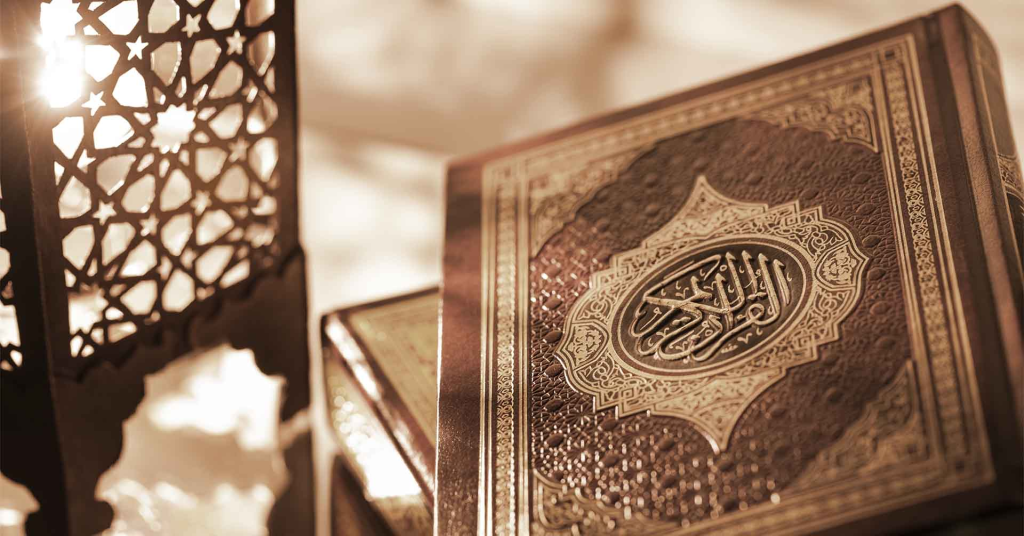
Dear Safarfriendly friends, understanding the Hijri calendar also means understanding the important days of Islam that are full of blessings. Here are the important dates we need to know:
1 Muharram – Islamic New Year
Marking the turn of the Hijri year. A moment of reflection and self-evaluation.
10 Muharram – Ashura Day
It is recommended to fast because it has great virtue.
12 Rabi’ al-Awwal – Prophet Muhammad’s Birthday
Commemorates the birth of the Prophet Muhammad with increased prayers and religious study.
27 Rajab – Isra and Mi’raj
The great journey of the Prophet that marked the beginning of the command to pray five times a day.
1 Ramadan – Start of Fasting
The beginning of the obligatory month-long fast.
17 Ramadan – Nuzulul Qur’an
Commemorated as the first revelation of the Qur’an.
Lailatul Qadar (the last 10 nights of Ramadan)
A night better than a thousand months.
1 Shawwal – Eid al-Fitr
A day of victory after Ramadan.
9 Dhu al-Hijjah – Arafah Fast
A recommended fast with great virtue for those who are not performing the Hajj.
10 Dhu al-Hijjah – Eid al-Adha
The festival of sacrifice and the culmination of the Hajj pilgrimage.
These significant days demonstrate that the Hijri calendar is closely tied to the worship and spirituality of Muslims.
The Wisdom of Understanding the Hijri Calendar
Dear Safarfriendly friends, understanding the history of the Hijri year and its calculations is not just about numbers and dates. It is about understanding the identity of Muslims.
The Hijrah teaches us about change for the better. The lunar system reminds us that time is constantly moving. Important days teach us about the momentum of worship.
May understanding the history of the Hijri calendar and its calculations help us grow in our love for Islamic law and be better prepared to embrace every moment of worship with a mindful heart.
Don’t miss out on various interesting information about travel, lifestyle, and current events at SafarFriendly! Visit our website at safarfriendly.com to get comprehensive guides, useful tips, and informative articles to accompany your travels and activities.
Wassalamualaikum warahmatullahi wabarakatuh, Safarfriendly Friends


