


Assalamu’alaikum, Safarfriendly Friends Amidst the increasingly busy world, there is one sunnah worship that has a very special position in the sight of Allah SWT, namely tahajud prayer. This worship is performed in the last third of the night, when most people are fast asleep. It is precisely at that quiet time that a servant can feel an extraordinary closeness to his Lord.
This article will comprehensively discuss the virtues of the tahajud prayer, the evidence supporting it, the best time to perform it, and how to practice it consistently in daily life.
Evidence Regarding the Virtues of the Tahajud Prayer

Dear Safarfriendly friends, the virtue of tahajud prayer is not just a spiritual motivational story. It has a strong basis in the Qur’an and hadith.
One of the most well-known proofs is found in the Qur’an, Surah Al-Isra, verse 79:
“And during part of the night, pray tahajud as an additional act of worship for you; hopefully your Lord will raise you to a place of honor.”
This verse shows that tahajud prayer is a path to a high rank in the sight of Allah SWT.
Additionally, in a hadith narrated by Imam Muslim, the Prophet Muhammad SAW said that the most important prayer after the obligatory prayers is the night prayer. This shows how great the virtue of tahajud prayer is compared to other sunnah acts of worship.
The virtues of tahajud prayer include:
- Bringing one closer to Allah SWT
- Erasing sins and mistakes
- Preventing immoral acts
- Elevating the status of a servant
- Becoming a means for prayers to be answered
It is no wonder that the companions and pious people were very diligent in performing this night prayer.
The Best Time for Tahajud Prayer
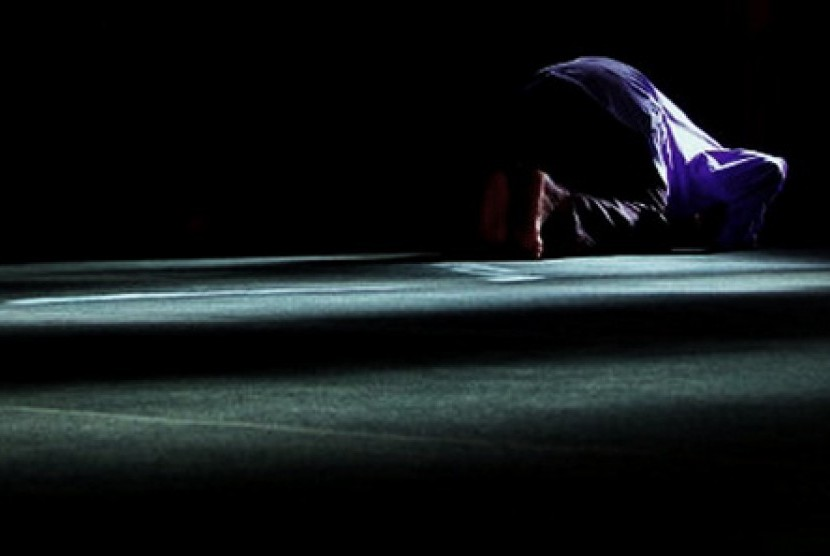
Dear Safarfriendly friends, in general, tahajud prayers are performed after sleeping, even if only for a short while. The time starts after Isha prayers until just before dawn.
However, the best time to perform it is during the last third of the night. Why? Because at that time, Allah SWT “descends” to the worldly sky and says:
“Whoever prays to Me, I will grant their prayer. Whoever asks of Me, I will give them.”
The last third of the night is usually around 1:00–4:00 a.m., depending on the time of Maghrib and Subuh in each region.
For Safarfriendly friends who are just getting used to it, there is no need to pray for a long time or perform many rakaats. The most important thing is consistency and sincerity.
How to Practice Tahajud Prayer with Istiqamah
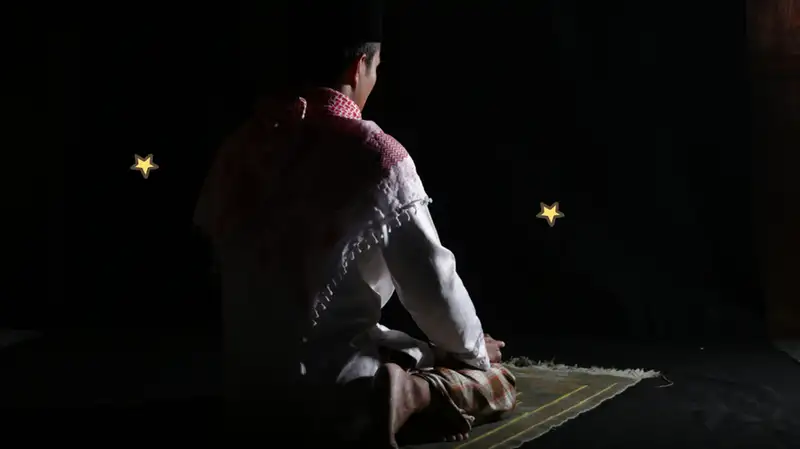
Many people want to experience the virtues of tahajud prayer, but find it difficult to wake up at night. Here are some tips so that Safarfriendly friends can practice it consistently:
1. Strong Intention
All deeds depend on intention. Instill in your heart that prayer is a spiritual need, not just a routine.
2. Go to Bed Earlier
Avoid staying up late without important reasons. Get into the habit of going to bed earlier so your body gets enough rest and it’s easier to wake up.
3. Set an Alarm and Ask Someone to Wake You Up
Use an alarm or ask your spouse/family to help remind each other to do good deeds.
4. Start with Two Rak’ahs
The Prophet Muhammad often started his night prayers with two light rakats. Don’t force yourself to do 8 or 11 rakats if you’re not used to it.
5. Increase Your Prayers and Istighfar
After tahajud prayers, increase your prayers. Pour out all your worries, hopes, and dreams to Allah SWT. This is the time when prayers are most effective.
Spiritual Impact on Life

Dear Safarfriendly friends, people who regularly perform tahajud prayers usually have a different kind of peace of mind. They don’t panic easily, are more patient in facing trials, and have strong optimism.
Prayer cultivates:
- Discipline
- Sincerity
- Dependence solely on Allah
- Awareness that this world is temporary
In modern life, which is full of distractions, waking up at night to pray is a form of “soul detox.” It cleanses the heart of hypocrisy, arrogance, and excessive love for the world.
The virtue of prayer is not only about reward, but about a closer relationship with Allah SWT. It is an intimate moment between the servant and his Lord, without distraction, without hypocrisy, without human attention.
Dear Safarfriendly friends, perhaps we are not yet able to perform it every night. However, let’s start with small steps. Two rak’ahs in the last third of the night can be the beginning of a great change in our lives.
May Allah SWT make it easy for us to attain the virtue of prayer and make it a habit that strengthens our faith and calms our hearts.
Don’t miss out on various interesting information about travel, lifestyle, and current events at SafarFriendly! Visit our website at safarfriendly.com to get complete guides, useful tips, and various informative articles that can accompany your travels and activities.
Wa’alaikumussalam warahmatullahi wabarakatuh.


